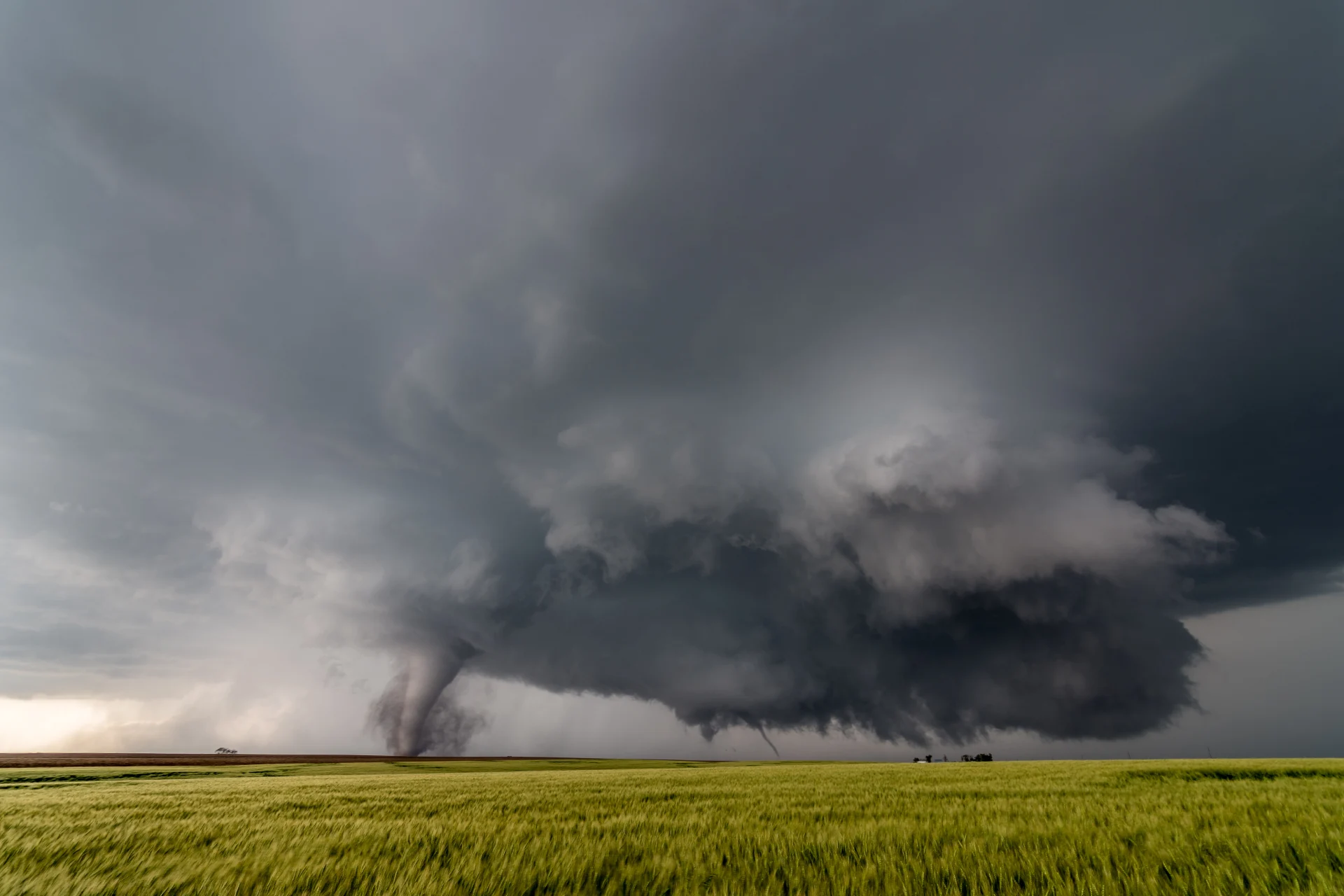
Severe weather is becoming more frequent, more disruptive and harder to predict across the United States. Preliminary data shows that from January through March, 280 tornadoes hit U.S. states, with 11 fatalities, and Michigan had its earliest EF-3 tornado on record.
At the same time, drought conditions have intensified across the Southeast, wildfire risk is increasing in multiple regions and California has already seen flooding, landslides and water rescues tied to Pacific storms.
While these events may differ in type, they create the same challenge for public safety agencies as conditions change rapidly and critical information arrives from multiple sources.
For emergency communications centers, dispatch teams and field responders, severe storm preparedness and response depend on more than forecasts. It depends on having the right information, in the right place, at the right time.
When severe weather becomes an operational challenge
Tornadoes are among the most difficult severe weather events to manage, evolving in minutes and leaving little room for delay. Conditions can shift in minutes, overwhelming call volumes, cutting off roads, damaging infrastructure and reducing visibility all at once.
In these moments, responders must make urgent decisions with incomplete and rapidly changing information. That makes operational clarity essential.
Emergency teams need to understand what’s happening, where conditions are changing and how resources should be deployed. This requires connected operations that bring together emergency calls, weather alerts, mapping, responder locations and field intelligence into a shared operational view.
When information is fragmented, response slows. When it’s connected, agencies can coordinate more effectively and act faster.
What smarter severe storm preparedness and response look like in practice
This is where technology can make a measurable difference. Modern public safety platforms help agencies bring together weather data, computer-aided dispatch (CAD), mapping, responder status and live field updates into a clearer operational picture.
Instead of piecing together information across disconnected systems, teams can work from a common view of what’s happening as conditions evolve. That shared visibility helps agencies identify impacted areas more quickly, route resources around closures, prioritize incidents and adapt response as the situation changes.
It also improves coordination beyond the initial response. As severe weather events unfold, agencies often need to work across jurisdictions and communicate with utilities, transportation departments and emergency management teams. Connected systems make that coordination easier by reducing delays and helping the right information move faster.
Lessons from Alabama still apply
The need for operational resilience during severe weather is not new. During the April 2011 tornado outbreak in Alabama, the Huntsville-Madison County 911 Center managed approximately 1,700 calls during the crisis without missing a single emergency call.
According to Huntsville-Madison County 911 Center CEO Ernie Blair, the system in place helped the center maintain continuity during one of the most demanding response events in its history. As Blair told AL.com, “On April 27, we had this wonderful system that stood up to it on our worst day.”
That experience remains a clear example of what resilient emergency response systems are designed to help agencies maintain continuity, coordination and confidence when demand is at its highest.
Why resilience now extends beyond response
For public safety agencies, severe storm preparedness and response are no longer just about response, but about resilience before, during and after the event.
That includes ensuring systems remain available during high demand, that backups and recovery processes are in place if infrastructure is disrupted and that agencies can continue operating even when conditions are unstable.
This is also where managed services can strengthen preparedness. By supporting system health, backup and recovery planning and ongoing operational continuity, managed services help agencies reduce risk before severe weather strikes. They also lessen the burden on internal teams, making it easier to maintain readiness, recover faster and keep critical systems available when conditions are most disruptive.
Building a smarter future for severe storm preparedness and response
Severe weather response will always depend on the people making decisions in the moment. What’s changing is how well those people can see, coordinate and respond under pressure.
Smarter systems are helping public safety agencies improve situational awareness, strengthen operational resilience and make faster decisions when conditions change without warning.
As severe weather becomes more complex, the agencies best positioned to respond will be the ones that can turn fast-moving information into coordinated action.