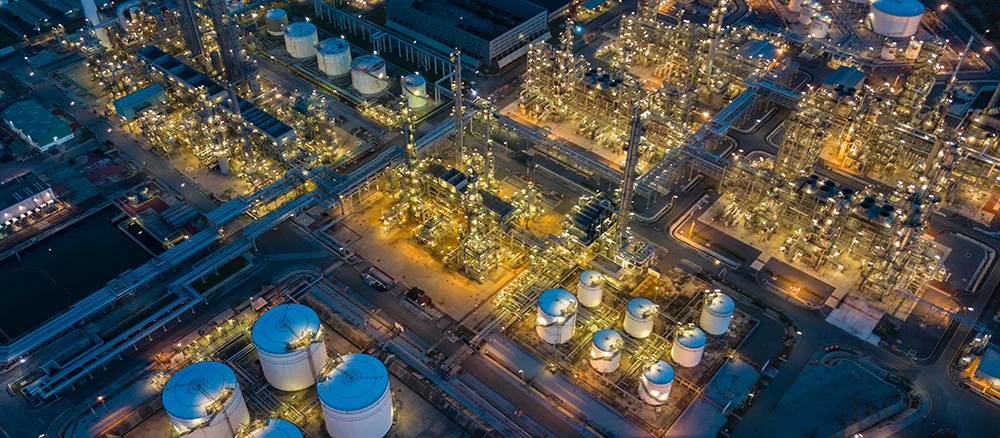
Plant design process – know the journey
Facilities such as industrial plants are challenging and costly to design. Be it brownfield or greenfield, you want to ensure efficiency and safety for the project and creation. So, where do you and your team provide value when you think about the plant design journey stages?
The journey
The plant design journey is a challenging one. It starts with an idea, which then becomes a concept and finally a design and physical plant. Many steps and points of contact are involved in this process, and teams must carry them out correctly to meet the set requirements for design and industry regulations.
Conceptual design
The conceptual design is the first step in developing a new plant. This phase aims to create a preliminary design and determine if it is feasible to build the plant. It includes all components, systems and equipment, including piping, vessels, pumps, instrumentation and controls, electrical power distribution systems, utilities (water supply), transportation and waste disposal systems. The conceptual design includes unique features such as a material handling system or an enhanced containment building.
Front-end engineering design (FEED)
Front-end engineering design is an iterative process to evaluate various alternatives for each component and system in the conceptual design. Teams often use a FEED study when large capital expenditures are required; it provides an opportunity to evaluate alternative designs before making significant investments in construction.
Detailed design
After completing the conceptual design, detailed engineering begins. This phase involves designing each piece of equipment used in the facility and determining whether it will work properly when assembled. Detailed engineering also includes designing piping systems, electrical systems and instrumentation required for monitoring operations within the plant facility and designing facilities such as storage tanks, piping networks and utility systems (e.g., water supply lines).
Fabrication
This step is where the team assembles all components into a complete unit ready for testing and commissioning before shipping to the site for installation. Some parts may come from scratch during this stage, whereas others may come from vendors depending on the needs and availability.
Conclusion
The design, or the procurement of a plant, is the most important factor in any industry. Whether you rely on an existing plant or build your own, you should be sure that it will achieve the results you want and be compatible with your existing facilities.
Because the design process can range in complexity, it is critical to receive guidance from a professional. Octave's team of experts is here to help build and maintain essential elements of a plant design journey.
Contact us to see how we can be your solution partner when creating your next plant design project or learn more about which solution is best fit to help improve your design workflows.