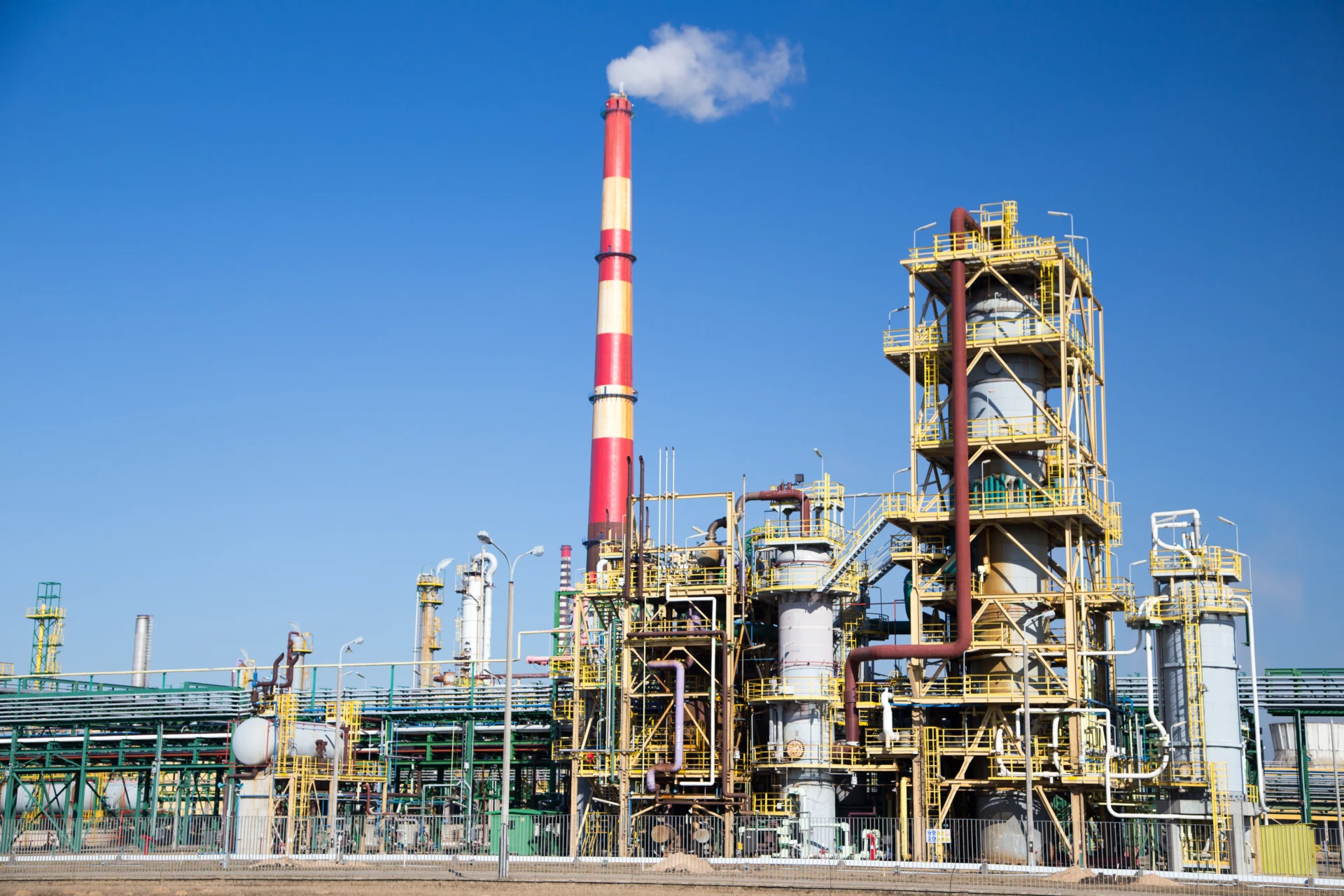
There is almost no industry left untouched by oil and gas, even as global energy and transportation markets trend toward renewable energy. Oil and gas flow through the veins and arteries of our daily lives, powering the heart of the modern economy.
Though the energy paradigm is shifting, demand for oil and gas isn't going away anytime soon. How does it shape our world and our economies, and what will the oil and gas sector need to do to meet future challenges?
Oil and gas are present in nearly every aspect of our daily lives. This is by no means an exhaustive list, but below are just a few ways global economies use oil and gas:
Energy
Globally, we depend on oil and gas for electricity and heating. Utility-scale electricity generation facilities in the United States generate about 4.2 to 4.4 trillion kilowatt hours of electricity in a year; about 60% of this electricity generation comes from fossil fuels – coal, natural gas, petroleum and other gases.
The clean energy plan passed under Bidens administration has accelerated decarbonization of the US energy grid, but many technical, economic and public policy hurdles continue to complicate the transition to emissions-free electricity. In the interim, oil and gas will continue to play a major role in the US energy sector.
Transportation
Gas, diesel and other petroleum-based fuels power the cars, trucks, ships and planes that are essential to our supply chains and transportation systems. Gasoline, in particular, is a popular fuel for cars and light-duty vehicles, while operators typically use diesel fuel for heavier vehicles such as trucks and buses.
Oil also lubricates moving parts in engines and other mechanical systems, while natural gas sometimes fuels buses and other types of vehicles. Natural gas also powers certain types of transportation such as ocean-going vessels and fleet vehicles.
Manufacturing
The petrochemical industry produces a variety of chemicals and plastics derived from crude oil and natural gas, which manufacturers then use to make a wide range of consumer goods. Oil and gas are critical to the production of ethylene and propylene, which are important building blocks for plastics, synthetic fibers and other materials. Oil and gas also go into chemicals such as fertilizers, detergents and pharmaceuticals. Plastics are present in almost every product we use, from our clothes to electronics – even toothpaste.
Heating and cooking
Oil and gas heat and cook in residential, commercial and industrial settings. Common forms include heating oil, natural gas and propane for furnaces, boilers, water heaters and stoves.
Industrial processes
Industry relies on oil and gas for a variety of processes. Oil lubricates machinery and vehicles, and both oil and gas produce heat and steam for industrial processes. Manufacturing plants burn oil or gas in boilers and furnaces to produce heat for drying, baking or melting processes, for example. Natural gas can also produce steam to power turbines that drive electric generators.
Oil and gas fuel global economies
Oil and gas play a significant role in energizing global economies. The demand for these resources is steadily growing, particularly in developing countries experiencing population booms. However, fluctuating oil prices can adversely affect countries that depend heavily on oil and gas exports for revenue, leading to economic instability. The oil and gas industry's reliability is also essential for maintaining economic growth, as any disruption in supply can have far-reaching consequences. Because of these factors, the oil and gas industry also plays a critical role in shaping geopolitical dynamics, as oil- and gas-producing countries often hold significant political power.
Where are oil and gas heading?
As stated, economies worldwide depend on oil and gas, and global oil demand is set to rise by 1.9 mb/d in 2023, according to the IEA Oil Market Report. The time is ripe for the oil and gas sector to embrace innovation to increase production, optimize operations and meet that demand head-on. But the pace of innovation in the oil and gas sector is relatively slow compared to other sectors, and in an age characterized by mantras like "move fast and break things," oil and gas companies will have to innovate at a quicker pace to stay ahead of the curve.
For most oil and gas companies, that means embracing the emerging technologies that contribute to safer, more efficient, more productive and more profitable operations. Let's take a look at some of these emerging technologies and how they will impact the future of the industry.
Artificial intelligence (AI) and automation
Artificial intelligence and automation are poised to reshape the oil and gas industry by giving plant operations access to advanced analytics in near-real time. AI and automation also enable decisions, adjustments and actions to occur at unprecedented speeds, if not immediately.AI-powered solutions can analyze data from multiple sources, such as sensors and machines, to identify patterns and predict potential problems. Automated processes help streamline operations, reducing costs and improving efficiency. As the industry continues to adopt these technologies, we can expect to see significant improvements in safety, productivity and profitability.
Digital twins
A digital twin is a digital representation of a physical asset or system that can simulate different scenarios and optimize performance. In the oil and gas industry, digital twins can help operators monitor operations, reduce downtime and make more informed decisions. With the help of sensors and other data sources, digital twins can provide real-time insights into the condition of equipment and infrastructure, enabling proactive maintenance and reducing the risk of unplanned outages.
Predictive maintenance and IIoT sensors
IIoT sensors collect and analyze data from machines and equipment, allowing plant operators to monitor the condition of assets in real time, predict potential problems and take proactive steps to avoid unscheduled downtime. This approach can help reduce maintenance costs, improve asset reliability and optimize performance.
Remote monitoring technologies
Remote monitoring technologies enable operators to monitor equipment and infrastructure from a central location, reducing the need for on-site inspections and increasing operational efficiency. With the help of sensors, cameras and other monitoring tools, operators can keep tabs on equipment performance, identify potential issues and make informed decisions in real time.
Emissions reduction technologies
Technologies like methane mitigation and advanced water treatment and recycling systems will contribute to more sustainable operations, which is critical for the long-term viability of the oil and gas industry.
Conclusion
Oil and gas will remain critical to the energy mix for some time, even as global energy priorities shift. And though demand is projected to steadily climb, oil and gas industry players must find ways to innovate to keep their foothold in a competitive landscape. The future of energy is bright, and oil and gas must embrace innovation to take part in that future.