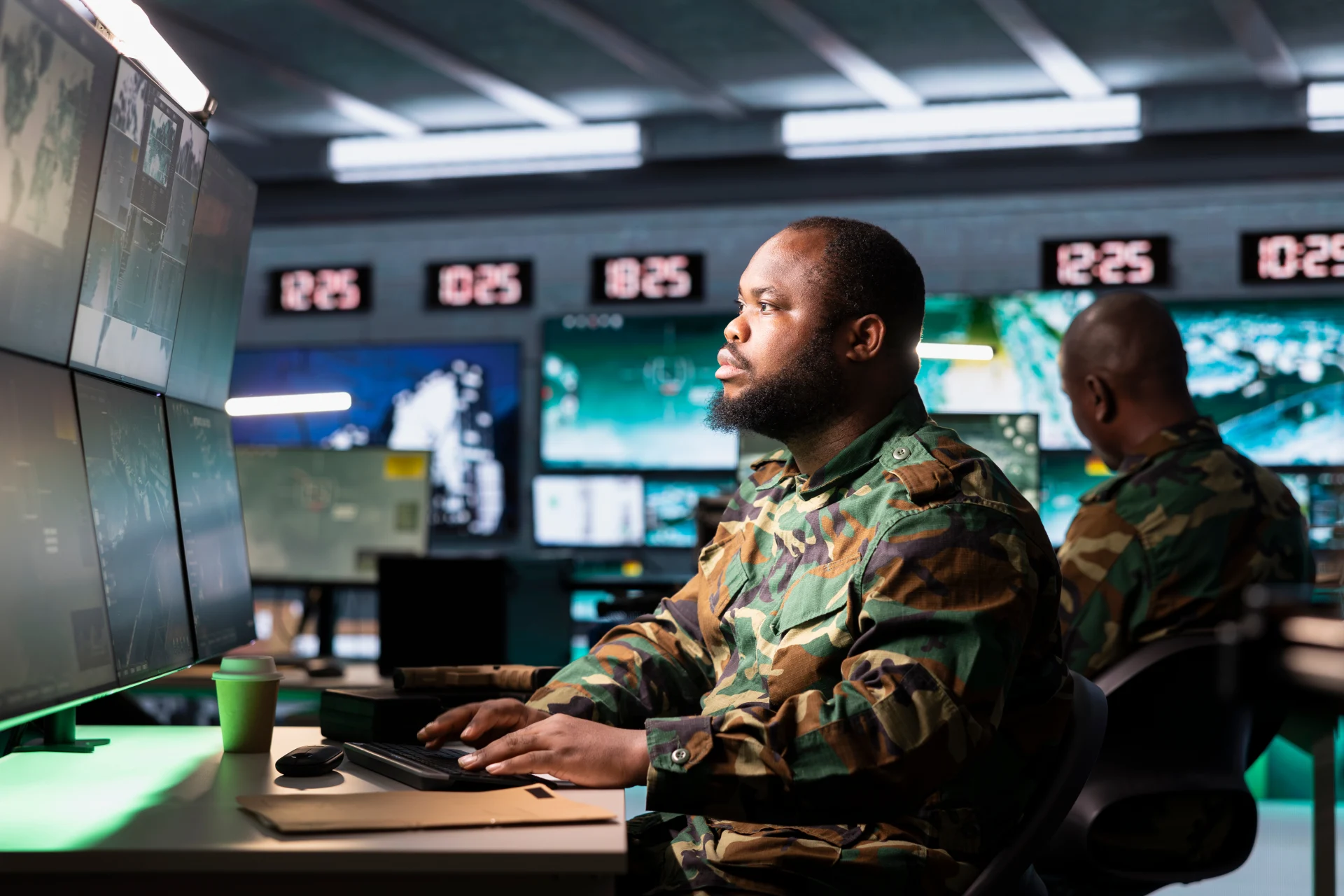
The defence landscape is changing rapidly, and with it comes a growing realization that critical infrastructure is more vulnerable than many organizations once believed.
Across Europe, North America and other regions around the world, governments are increasing defence spending, accelerating modernization initiatives and reevaluating how they protect military installations, ports, airports, energy infrastructure and communication networks.
At the same time, the nature of the threat itself has evolved. Inexpensive drones, cyberattacks, underwater sabotage and asymmetrical threats can now create significant disruption with relatively limited resources.
As global defence organizations respond to these realities, there is growing focus on how to create more adaptive operational environments capable of identifying threats earlier, coordinating responses faster and helping teams make decisions with greater confidence.
The challenge is not just visibility, but also making sense of rapidly advancing complexities in real time.
The growing importance of data in critical infrastructure protection
Modern defence and critical infrastructure environments now rely on an enormous range of sensors and operational systems that continuously generate data.
Video systems, radar, LiDAR, cyber telemetry, underwater sensors and countless other technologies all contribute to a constantly evolving operational picture. Most organizations already have more information than they can realistically process. The real challenge is turning that information into operational intelligence that can support fast, confident decisions in live environments.
This becomes especially important when protecting critical infrastructure, where teams must quickly identify threats, prioritize alerts and coordinate responses using limited operational resources.
Increasingly, organizations need platforms capable of ingesting, correlating and contextualizing many different types of operational data simultaneously while remaining flexible enough to evolve alongside emerging threats.
The next threat may not resemble the previous one. New sensors, new data sources and new operational requirements must be integrated without forcing organizations to rebuild entire environments every time conditions change.
Why the “single pane of glass” is no longer enough
For years, the industry has promoted the idea of the “single pane of glass,” which is a centralized operational view that brings together information from multiple systems into one interface. In theory, the concept remains highly valuable.
Shared operational awareness is essential in complex defence and critical infrastructure environments where multiple teams must coordinate quickly under pressure. The challenge is that not every stakeholder needs the same operational view or the same information at the same moment.
For example, a firefighter responding inside a facility may need immediate visibility into evacuation routes and hazardous areas on a mobile device. A command center operator managing a large-scale evacuation requires a much broader operational picture, while security personnel monitoring perimeter activity and intelligence analysts evaluating sensor alerts all rely on the same underlying data, but they interact with it differently.
This is where the traditional “single pane of glass” concept begins to break down. The goal should not be one rigid operational screen for every user. It should be creating a shared operational foundation that can deliver the right information to the right people in the right context as conditions evolve.
Modern defence environments also require flexible architectures capable of evolving alongside changing threats, sensors and operational requirements. Organizations cannot afford to become locked into rigid systems or static workflows that limit their ability to adapt as operational conditions change.
Building adaptable operational ecosystems
Protecting critical infrastructure increasingly depends on operational ecosystems that combine interoperable technologies, domain expertise and flexible operational approaches.
Organizations still need operational visibility and shared situational awareness. But they also need flexibility in how systems integrate, how information is delivered and how operational teams interact with data in real time.
In modern defence and critical infrastructure protection, operational advantage increasingly depends not simply on collecting more information, but on delivering actionable intelligence to the right people in the right context quickly enough to make better decisions when it matters most.