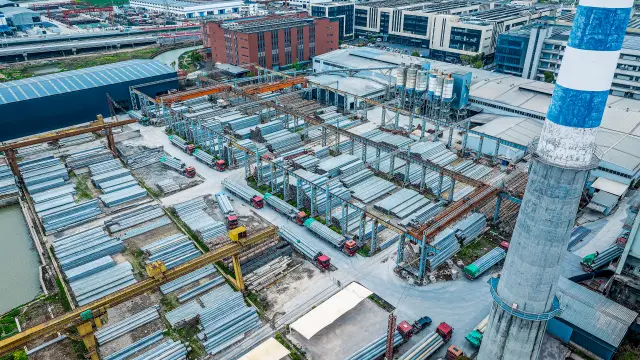
This Canadian oil sands mining project processes 110 million tons of oil sand yearly, yielding 194,000 barrels of bitumen daily at full production. Loop Material Readiness was deployed on the secondary extraction which brought the project to first oil in 2017 and ramped up in Spring 2018.
Jobsite challenges
Inspected material from 250+ suppliers
Manually produced inspection checklists
No scalability
Shipment instructions from multiple suppliers varied
Inspection checklists manually entered into Excel
With so many vendors, shipment instructions varied significantly, and the lack of standardized processes for receipt inspections made it difficult to train receivers. Manual inspections were difficult to track, store and receive. Before data entry, scalability could only be achieved by scanning or copying the physical documents.
Whether from receipt or preservation and maintenance inspections, data entry coordinators manually entered inspection checklists into Excel, and spreadsheets were aggregated to build reports. The process was flawed and an expensive use of labor. A variable time gap between the inspector submitting checklists and report population meant that reporting was rarely up to date.
The Goal? Efficiency and Visibility
Solution
Loop Material Readiness was deployed to provide a full inspection management service, including receipt inspections used as triggers to flag and quarantine overages, shortages and damages (OS&Ds).
It provided immediate visibility into discrepancies between project and vendor inspections for the same equipment. The project could also schedule recurring inspections, providing preventative maintenance and preservation of materials.
Implementation
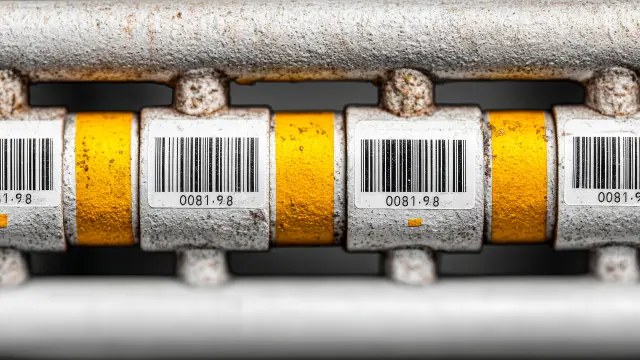
Equipped with rugged tablets and active RFID tags, approximately 60,000 pipe spools and 140,000 structural steel pieces were tagged by Korean fabricators. Pipe supports, bulks and structural connections were shipped within tagged crates. Mechanical, electrical and instrumentation materials were tagged at off-site laydown or mod yards. Cable was cut into engineered lengths and loaded onto supplier-tagged reels. Over a 20-month period using Loop Material Readiness, the project had completed 89,243 inspections. Receipt inspections were automatically generated on vendor shipments. Each template (of 195) was built to vendor specs and recurred on custom schedules to preserve and maintain materials. Templates featured prompts for proper inspection involving maintenance, calibration, sensor reads, axle/motor turning, lubrication and/ or oil misting. Rules ensured failed inspections were flagged and quarantined. Including owners, EPC firms and partners, there were 169 Loop Material Readiness users. Consolidated and aggregated data from multiple heterogeneous sources provide a ‘single reliable source of the truth,’ which increases efficiency and ultimately reduces costs.
Results
98% success rate for all punch items
Saved 5 to 15 minutes per inspection
Captured, closed punches before commission, start-up and walkdowns; estimated savings of $500,000
Standardized processes offered real-time data for all
Inspectors could complete these tasks: mobile inspections, take/edit pics showing change over time, send complete inspections to supervisor and notify other inspectors of completion
Inspection Coordinators, Supervisors and Managers could complete these tasks: view inspection details, generate reports, monitor KPIs, assign fails to be addressed, alert correct personnel to problems, timestamp damage or failure, hold parties accountable for inspection performance and approve inspections
Reduced inefficiencies of managing indirect labor inspectors by material verification, task completion compliance, no manual data entry and collecting pics/ signatures as proof of work
Continuous improvement and change management:
Location/status/care, custody and control-driven
Transparent, time-stamped, single source of data
Inspection criteria can be exported, analyzed, compared, improved and changed, whether for immediate needs or future deployments (scalability)
Changing engineering requirements updated by management and executed on next inspection run
Summary
The Loop Material Readiness inspection program was deployed to contractors and partners, resulting in digital records that revolutionized the way inspections will be done on future projects. The dynamic functionality allows managers to export, analyze and improve inspection questions and ensure the best quality measures, optimizing risk mitigation and efficiencies.