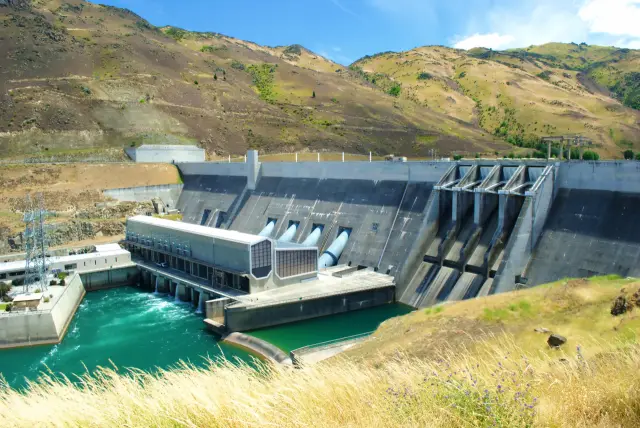
Salt River Project was founded in 1903 and has been shaping the concept of a public power utility in the United States ever since. It has gone on to become the third-largest public power utility in the U.S. and one of Arizona’s largest water suppliers. The company uses renewable energy sources as part of its portfolio for power production including hydro, wind, geothermal and solar energy sources.
The problem
Salt River Project was using an old generic notes application, which was configured to monitor process alarms and used for the standard logging of events. It decided that this technology was not fit for purpose in its modern environment and was concerned about the need for more support from the vendor.
Maintenance issues could also not be monitored using the limited functionality of this software. Manual processes were unnecessarily difficult, and there was less accuracy of alarms, which lowered situational awareness.
A formal RFP process — after defining requirements from the business units — was conducted, and Tempo Operations Management was chosen to replace its antiquated technology.
How Tempo Operations Management solved the problem
Salt River Project implemented various Tempo Operations Management applications to satisfy its requirements, including the Octave Tempo Operations Logbook (formerly j5 Operations Logbook), Octave Tempo Shift Handover (formerly j5 Shift Handover) and Octave Tempo Standing Orders (formerly j5 Standing Orders). It also used Tempo Operations Management templates and Tempo Operations Management connectors for multiple external applications.
Tempo Operations Logbook enables the clear recording and managing of manual and automated events across shifts. These events are visible consistently and efficiently on a web browser, which was not possible using the previous outdated software at Salt River Project.
Tempo Shift Handover allows operators, supervisors and managers to thoroughly review relevant data, events and alarms at shift turnover. This ensures a consistent, visible and accountable process.
Tempo Standing Orders enable the controlled dissemination and acknowledgment of critical communications across the Salt River Project operations team.
Tempo Operations Management ensures that real-time information retrieved using Tempo Operations Management connectors for external systems is properly recorded and that the correct human workflows are implemented.
Tempo Operations Management templates allow consistent layouts, fields, categorization, hierarchies, reports and clean data.
This enables users to easily search for and understand important information, improving day-to-day performance and safety. Personnel use Tempo Operations
Management templates to record and view a range of manual and automated data and follow a strict approval workflow related to each shift handover process.
Tempo Operations Management connectors for external applications can retrieve equipment and functional location data in order to populate the Tempo Operations Management asset register, improving communication between the operations and maintenance teams.